
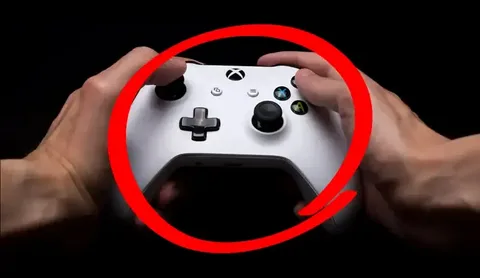
Are you struggling with connectivity issues that HSSGamepad users commonly face? Whether you’re a casual gamer or a hardcore enthusiast, dealing with connectivity issues HSSGamepad setups can present is frustrating, especially in the middle of an intense session. This complete guide will walk you through everything you need to know about diagnosing, fixing, and preventing connectivity issues HSSGamepad devices experience, so you can get back to gaming without interruption.
Understanding HSSGamepad and Its Features
Before diving into solutions, it’s important to understand what makes the HSSGamepad a popular choice among gamers worldwide. From casual console play to competitive PC gaming, the HSSGamepad offers a versatile range of features that cater to a wide audience.
What is HSSGamepad?
The HSS Gamepad is a multi-platform gaming controller designed for compatibility across PC, Android, iOS, and gaming consoles. It supports both Bluetooth and wired USB connections, making it one of the most flexible gamepads available on the market today. As a gaming guide online HearthSSGaming community favorite, the HSSGamepad has earned its reputation through solid build quality and responsive controls. However, like all technology, it can sometimes face connectivity issues, which can disrupt your gameplay.
Key Benefits for Gamers
The HSSGamepad delivers several standout advantages. It features low-latency wireless connectivity, plug-and-play USB support, vibration feedback, and compatibility with a wide range of gaming apps and emulators. The controller also supports tutorials by HearthStats HSS Gamepad configurations, making it easier for users to get started. When everything is working correctly, the HSS Gamepad delivers a seamless and enjoyable gaming experience.
Wireless vs. Wired Gamepad: Which is Better for You?
Choosing between wireless and wired modes often depends on your gaming environment. Wired USB mode provides a stable, low-latency connection and eliminates concerns about battery life or wireless interference. Wireless mode via Bluetooth offers freedom of movement but may introduce occasional connectivity issues that HSSGamepad users report in environments with heavy wireless traffic. For competitive gaming, wired is generally recommended. For casual or couch gaming, Bluetooth connectivity, WiFi HSS Gamepad mode is perfectly adequate.
Common Connectivity Problems with HSSGamepad
Understanding the types of connectivity issues HSSGamepad users encounter is the first step toward solving them effectively. Whether your controller keeps disconnecting, won’t pair, or shows input lag, the root cause usually falls into a few identifiable categories.
Identifying the Root Causes of Connectivity Issues
The most frequently reported connectivity issues HSSGamepad users face include: the gamepad not being recognized by the host device, intermittent disconnection during gameplay, significant input lag, and failure to pair via Bluetooth. These connectivity issues HSSGamepad owners experience can stem from outdated firmware, corrupted drivers, Bluetooth interference, or even physical damage to the USB cable or port. Identifying which category your problem falls into will help you apply the correct fix from this tutorial guide HSSGamepad troubleshooting series.
Why Firmware and Drivers Matter
Firmware is the internal software that controls how your HSSGamepad communicates with connected devices. Outdated firmware is a leading cause of connectivity issues HSSGamepad devices experience, especially after major operating system updates. Similarly, device drivers on Windows or Linux act as a bridge between your hardware and operating system. When these are outdated or corrupted, the installation of the HSSGamepad process may have gone smoothly, but the device still fails to function correctly. Keeping both firmware and drivers current is essential for avoiding recurring connectivity problems.
The Role of Bluetooth and Wireless Interference
Bluetooth operates on the 2.4GHz frequency band, the same band used by Wi-Fi routers, microwave ovens, baby monitors, and many other household devices. This shared spectrum can cause significant interference that leads to connectivity issues HSSGamepad wireless users frequently encounter. If you’re using connectivity wifi HSSGamepad features in a crowded wireless environment, the signal may become unstable. Walls, distance, and other electronic devices can all degrade the Bluetooth signal quality and result in frustrating disconnections.
Step-by-Step Solutions to Fix HSSGamepad Connectivity
Now that you understand the causes, let’s get into the solutions. This section of our tutorial guide, HSSGamepad troubleshooting, covers the most effective and widely tested fixes for addressing connectivity issues that HSSGamepad setups commonly experience.
Re-pairing the Gamepad for a Fresh Start
One of the simplest yet most effective ways to fix connectivity issues HSSGamepad users face is to completely remove the existing pairing and start fresh. Here’s how to do it:
First, go to Bluetooth settings on your device and remove the gamepad from the paired devices list.
Next, power off the controller completely by holding the power button for 5 seconds.
Then, power it back on and press the dedicated pairing button, usually marked with a Bluetooth icon, until the LED starts blinking rapidly.
Finally, initiate a new Bluetooth scan on your host device and select the controller from the list.
This fresh pairing process resolves many connectivity issues that HSSGamepad Bluetooth users report and should be your first go-to fix before trying more advanced solutions.
Updating Your Gamepad Firmware for Optimal Performance
Keeping firmware up to date is crucial for resolving persistent connectivity issues that HSSGamepad firmware-related problems cause. Visit the official HSSGamepad support page or HearthSSGaming categories section to download the latest firmware version for your specific controller model. Connect your gamepad via USB to your PC, run the firmware updater utility, and follow the on-screen instructions. After the update completes, restart both the gamepad and your host device. This simple installation of the HSSGamepad firmware update often resolves persistent connectivity problems that other fixes cannot.
How to Resolve Bluetooth and USB Issues
For Bluetooth connectivity issues HSSGamepad wireless users face, try moving closer to your host device, removing other nearby Bluetooth devices that may be competing for bandwidth, and switching your Wi-Fi router to the 5GHz band if possible. This reduces interference on the 2.4GHz frequency used by Bluetooth. For USB connector HSSGamepad issues, inspect the port carefully for dust, debris, or bent pins. A damaged HSSGamepad port is one of the most overlooked causes of USB detection failure. Try a different USB port (preferably USB 3.0 ports on the back of your PC), test with a different cable, and check Device Manager on Windows to see if the controller is being recognized. Uninstalling and reinstalling the device driver often clears up USB recognition problems.
Advanced Solutions for Persistent Connectivity Problems
If the basic fixes haven’t resolved your connectivity issues or HSSGamepad problems, it’s time to explore more advanced solutions. These approaches are designed for users who are comfortable with slightly technical configurations.
Using Keymapper Tools for Customization
Keymapper applications like Mantis Gamepad Pro, Octopus, or the built-in tutorial by HearthStats HSS Gamepad configuration tool allow you to remap buttons and fine-tune how your HSS Gamepad communicates with apps and games. Sometimes, connectivity issues that HSSGamepad users attribute to hardware problems are actually software-level input mapping conflicts. Using a keymapper lets you bypass default mappings and create custom profiles that work reliably with your specific games and applications, effectively eliminating these software-induced connectivity disruptions.
Installing Custom Bluetooth Stacks (For Advanced Users)
Windows uses its own built-in Bluetooth stack, which can sometimes be incompatible with certain gamepad Bluetooth protocols. Advanced users can install alternative Bluetooth stacks such as Toshiba Bluetooth Stack or BlueSoleil, which offer broader compatibility with a wider range of Bluetooth devices. This approach can resolve deep-seated connectivity issues that HSSGamepad Windows users encounter that standard driver updates cannot fix. Before proceeding, ensure you back up your system and carefully follow the installation guide to avoid conflicts with your existing Bluetooth hardware.
Troubleshooting Specific Gamepad Issues on Different Devices
Connectivity issues HSSGamepad users experience can vary significantly depending on the host device. Android devices often relate the problem to Bluetooth stack versions or missing HID (Human Interface Device) permissions. Steam on PC can interfere with gamepad detection through input configuration settings. iOS applies strict Bluetooth MFi certification requirements that may limit compatibility. For emulator use (such as RetroArch or PPSSPP), you may need to manually configure the input mapping and ensure the emulator recognizes the connector HSS Gamepad as a valid input device in its settings.
Prevent Future HSS Gamepad Connectivity Problems
Prevention is always better than troubleshooting. By adopting a few smart habits, you can significantly reduce the frequency of connectivity issues HSSGamepad devices experience over time.
Tips for Maintaining Your HSS Gamepad
Physical maintenance plays an important role in preventing hardware-level connectivity issues that HSSGamepad owners often overlook. Keep the USB port and connector clean from dust and debris using compressed air. Store the controller in a cool, dry place when not in use. Avoid excessive bending of the USB cable near the connector, as this is a common point of failure. Check the Bluetooth antenna area (usually near the grips) for any cracks or damage that might impair wireless signal strength.
Optimizing Your Gaming Setup for Better Connectivity
Your gaming environment plays a big role in connectivity, WiFi, HSS Gamepad, and wireless performance. Position your gaming device within 3-5 meters of the HSSGamepad when using Bluetooth. Reduce wireless clutter by turning off unused Bluetooth devices. If you use a wireless router, place it away from your gaming area or switch to 5GHz to free up the 2.4GHz band. For PC gaming, using a dedicated USB Bluetooth adapter (rather than the built-in motherboard Bluetooth) can significantly improve signal stability and reduce connectivity issues that HSSGamepad wireless users experience.
Keeping Your Firmware and Drivers Up to Date
Make it a routine to check for firmware and driver updates every 4-6 weeks, especially after major gaming platform updates (such as Steam updates or Android OS upgrades). Follow the tutorial by HearthStats HSSGamepad firmware update guides and the how to keep up with gaming news, thehaketech resources for announcements about HSSGamepad firmware releases. Enabling automatic driver updates on Windows ensures your system always uses the most compatible drivers, preventing many of the connectivity issues and HSSGamepad driver-related problems that would otherwise require manual intervention.
Real-World Case Studies: How to Solve HSSGamepad Issues
Real-world experiences offer some of the best insights into resolving connectivity issues HSSGamepad users struggle with. These case studies are drawn from common gaming guide online HearthSSGaming community reports.
Case Study: Solving Connection Issues on Android
A user reported persistent connectivity issues with HSSGamepad Bluetooth disconnections on their Samsung Galaxy S23 running Android 14. After testing with the basic re-pairing fix without success, they discovered the issue was caused by Android’s battery optimization feature, which was terminating the Bluetooth connection to conserve power. The solution was simple: navigate to Settings > Battery > App optimization, and exclude the gamepad controller app from battery optimization. After this change, connectivity issues with HSSGamepad Bluetooth disconnections stopped entirely, and the controller maintained a stable connection throughout extended gaming sessions.
Case Study: Fixing Lag on Steam with PC
A PC gamer reported heavy input lag when using the HSSGamepad on Steam, despite the controller connecting successfully. Investigation revealed that Steam’s own controller configuration settings were conflicting with the Windows HID driver, creating a double-input processing delay. The fix involved disabling Steam Input for the specific game (right-click game > Properties > Controller > Disable Steam Input) and ensuring the gamepad was set to XInput mode rather than DirectInput. This eliminated the lag and resolved the connectivity issues HSSGamepad Steam users commonly report. Following the gaming guide online, HearthSSGaming forums confirmed this is a widespread and easily fixable issue.
Case Study: Solving Gamepad Detection Issues in Emulators
An emulator user was unable to get their HSS Gamepad detected in RetroArch on Windows. The root cause of these connectivity issues HSSGamepad emulator users face turned out to be a driver conflict between the Xbox controller driver (xinput) and the generic HID driver. The solution involved using the Zadig driver replacement tool to assign the WinUSB driver specifically to the HSSGamepad, allowing RetroArch to detect it as a raw HID device. After completing this step, documented in the tutorial guide HSS Gamepad community resources, the emulator detected the controller immediately, and all buttons were mapped correctly.
Final Thoughts on HSSGamepad Connectivity
Dealing with connectivity issues HSSGamepad users face can be challenging, but as this guide demonstrates, most problems have clear and actionable solutions. From simple re-pairing procedures to advanced driver replacement techniques, there are multiple paths to restoring a stable and responsive connection for your gaming sessions.
If you’ve exhausted all troubleshooting steps and connectivity issues, HSSGamepad problems persist, it may be time to consider a replacement. Signs that your hardware has reached end-of-life include: physical damage to the USB connector, visible corrosion on the charging port, Bluetooth radio failure confirmed by multiple fresh device pairing attempts, or trigger/button response issues that indicate internal damage. In these cases, continuing to troubleshoot software solutions will not fix a fundamentally hardware-level failure.
When selecting a replacement or upgrade, consider your primary gaming platform, whether you prefer wired or wireless connectivity, and the level of customization you need. The HSS Gamepad remains an excellent choice for multi-platform gamers due to its broad HSS Gamepad compatibility. However, platform-specific controllers (such as how to connect a PS4 controller to PS4 setups) may offer better native support for console gaming. Evaluate your needs carefully and consult resources like how to keep up with gaming news, the Hake Tech for the latest reviews and comparisons.